One of my favourite days from my most recent trip to Toronto was the day trip to the Toronto Zoo. I know zoos can often be polarizing from an ethical standpoint, and lots of zoos exist worldwide as profit-driven tourist attractions. However, the Toronto Zoo proves how they play an important role in ecology and conservation, and demonstrates how wonderful zoos can be.
What’s the Zoo Like?
A bit of a trek away from the city (and maybe more deserving of the name “Scarborough Zoo”, #justsaying), it took about an hour to reach by combination subway and bus, but was pretty straightforward in terms of transfers. Get on the 2 Line all the way to Kennedy, then catch the 86A all the way to the zoo.
The Zoo itself is basically out of my Zoo Tycoon dreams, separated into different biomes with both enclosures to visit and walkthrough buildings to explore. The “houses” for bigger creatures (rhinos, polar bears, giraffes, etc.) include indoor and outdoor areas, as well as private areas they can go to to get away from zoo visitors. The walkthrough buildings are absolutely stunning, with free-roaming birds and the warmth and humidity of the rainforest (which was a bit stifling given we were layered up for a Canadian spring day).
We went in April, the zoo’s off season. It wasn’t very busy, which was very nice as it was easier to navigate the buildings and see into the enclosures. This did mean that the Zoomobile was not running (a tram that goes between some of the more spread-out biomes), so our day had a lot of walking packed into it. I liked the walking, but I know it’s not for everyone, and even my legs were exhausted by the end of the day. Something to keep in mind if you’re planning a visit!
The staff are extremely knowledgeable and friendly, and above all passionate about what they do. We wandered into a greenhouse that had not yet opened for the season (but had a sign and was unlocked, so I maintain my innocence! I just love plants!), and upon being discovered by staff, were offered a few minutes to look around behind the scenes before being very nicely shown the exit. I also had a wonderful conversation with a staff member in the Wildlife Healthcare Centre, as he explained what the zoos medical staff was up to that day, as well as going into more detail about the research initiatives at the zoo (like, did you know that many zoos around the world utilize the Toronto Zoo’s feed plans for their animals? I didn’t until now!). Throughout the day, you can also find opportunities to meet zookeepers at different exhibits, so you can ask all about your favourite animals.
Zoo Photos
Check out a couple of snapshots I took during my day at the zoo. I didn’t take too many pictures as it’s hard to capture good shots in zoos, and I spent most of the day just exploring and watching the animals.
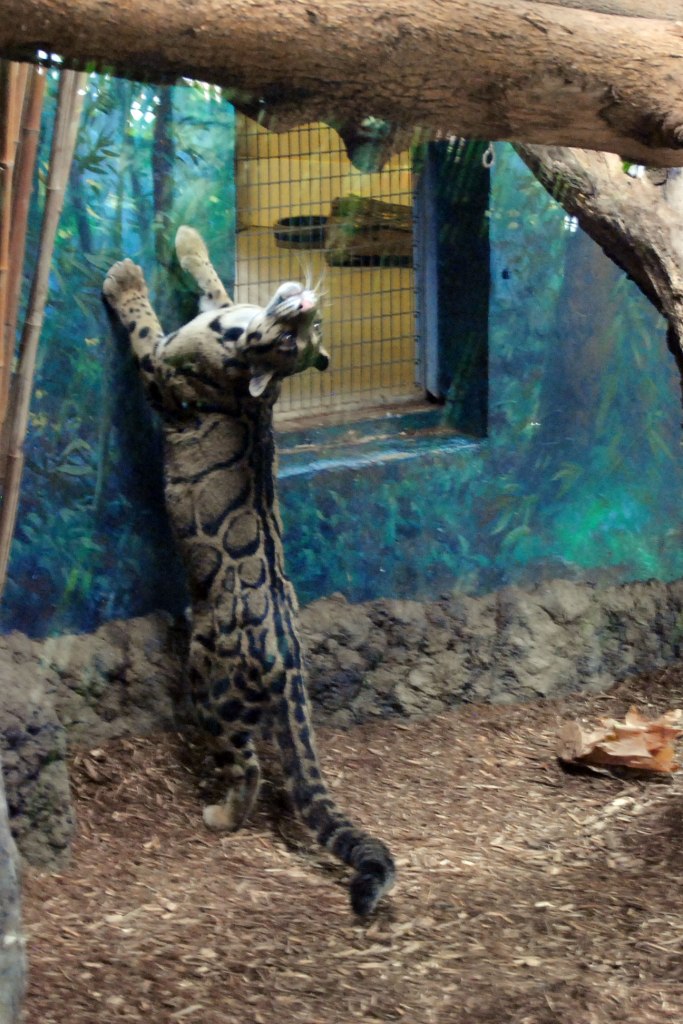
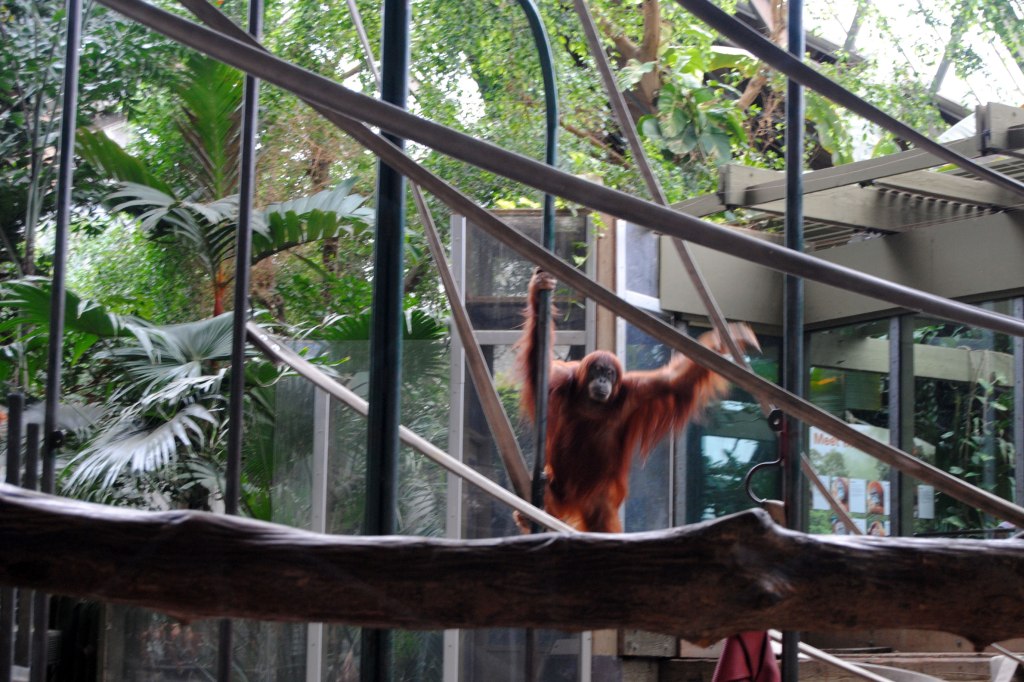
Spotted across the enclosure by a beautiful lady. 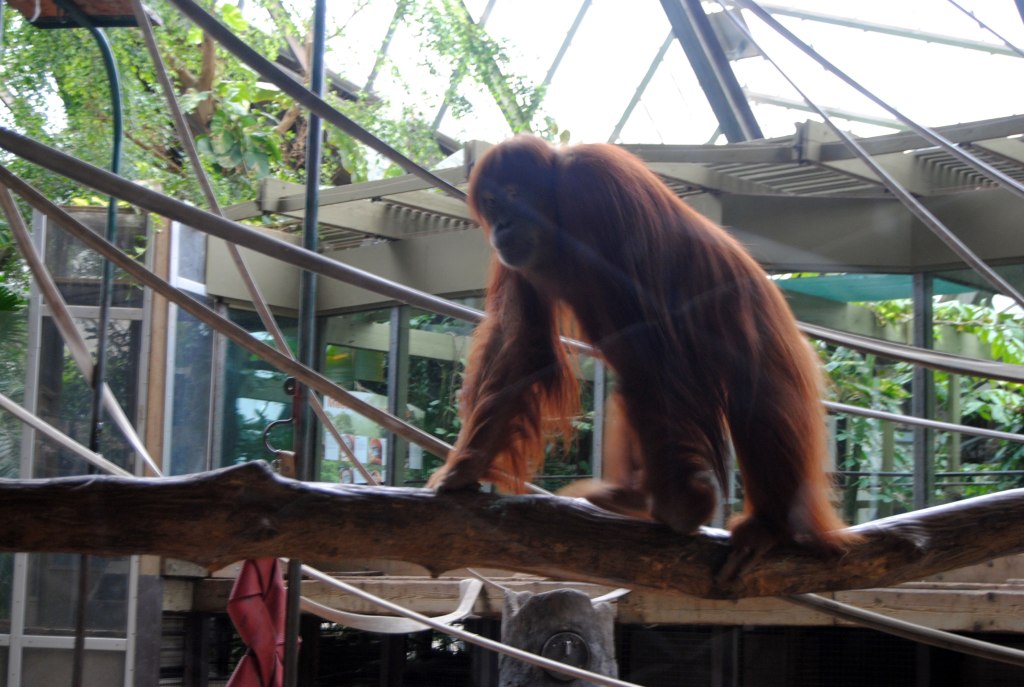
It’s incredible watching Orangutans move up close, so similarly to humans… or like “Andy Serkis in a MoCap suit”.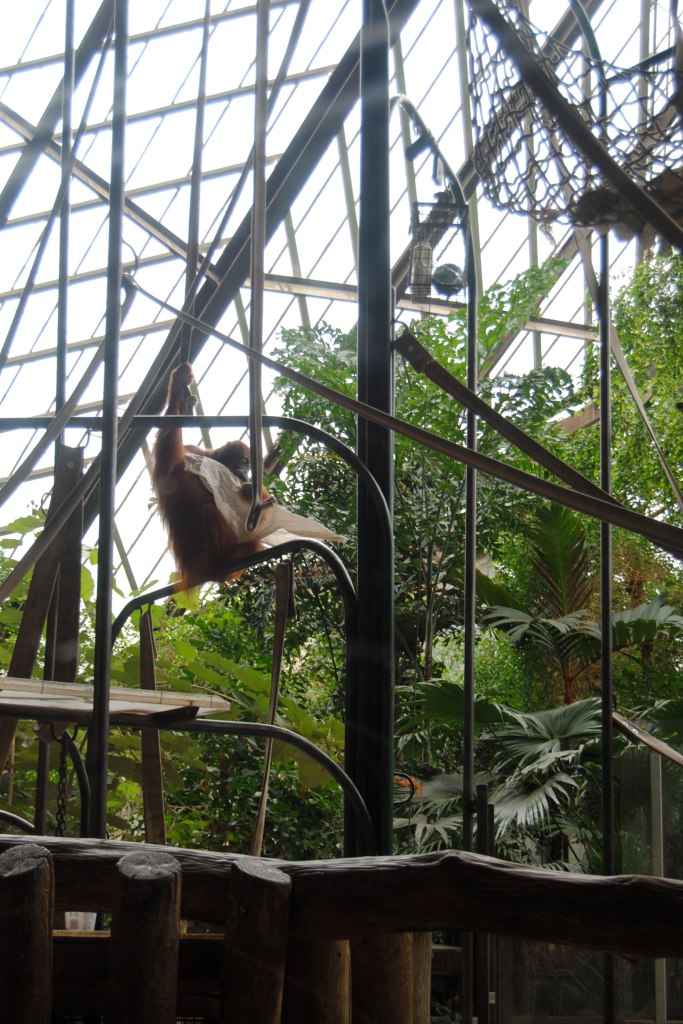
She found a big sheet of paper and was very excited to show it off. 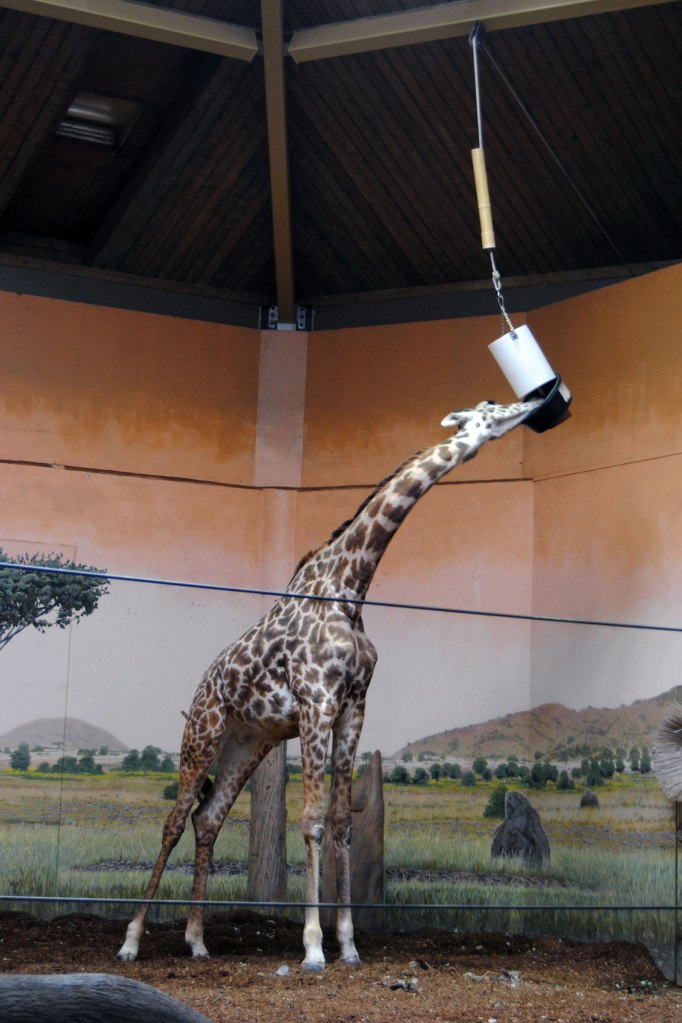
There were two giraffes in the enclosure when we visited. One spent the whole time eating and this guy spent the whole time bonking his head on the suspended bucket. 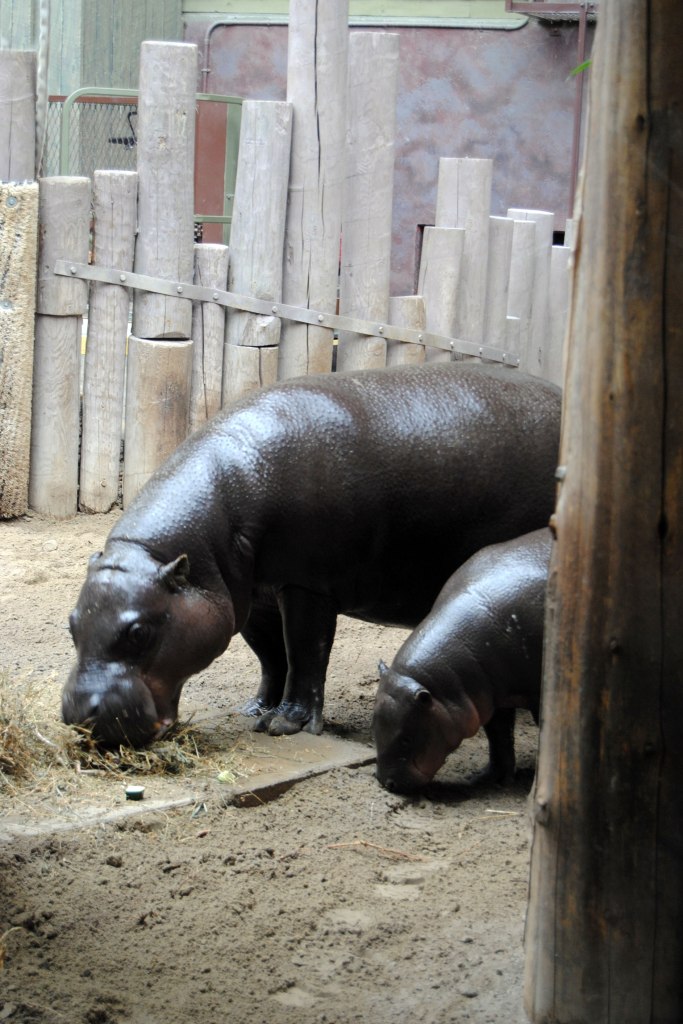
Chonky lady and chonky baby. 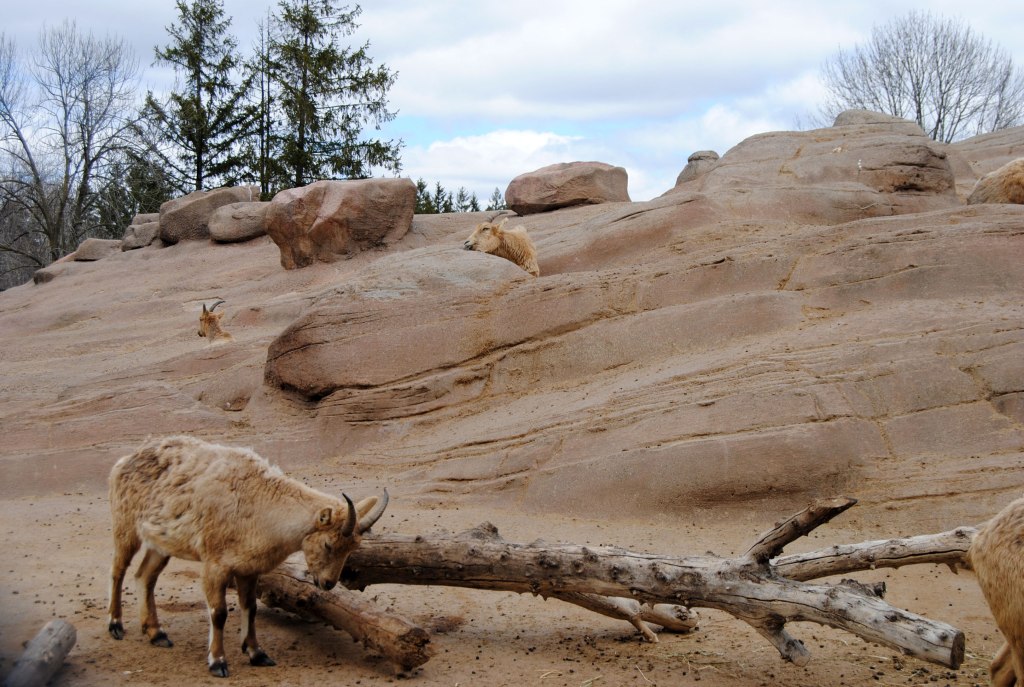
These mountain goats look so wise and so chill. I want to learn their secrets. 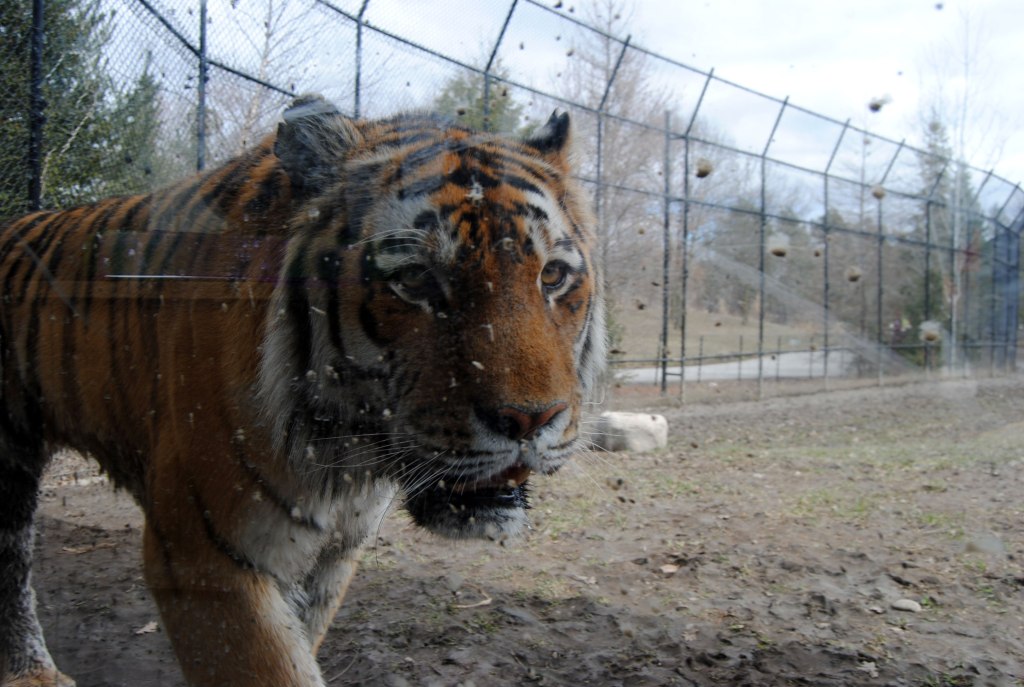
Getting this close up with an Amur Tiger (this guy’s name is Vasili) was horrifying. Crouching right in front of him as he walked past really gives you a sense of how big and how dangerous these animals are. Such a guttural reaction! 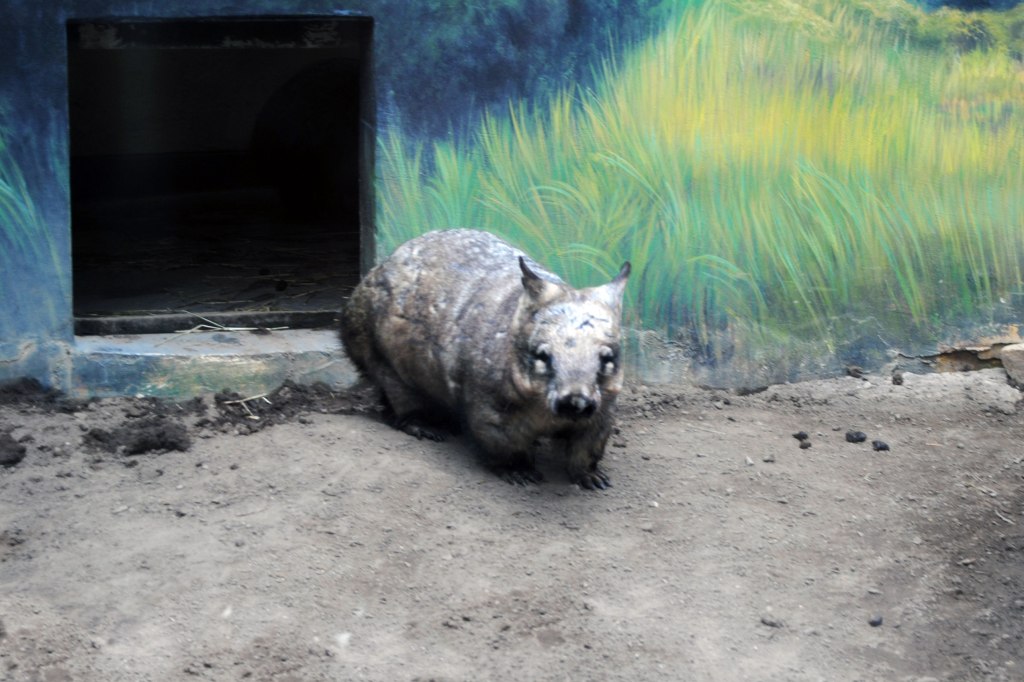
Wombats might be my new favourite animal. Goofy little chonks. 
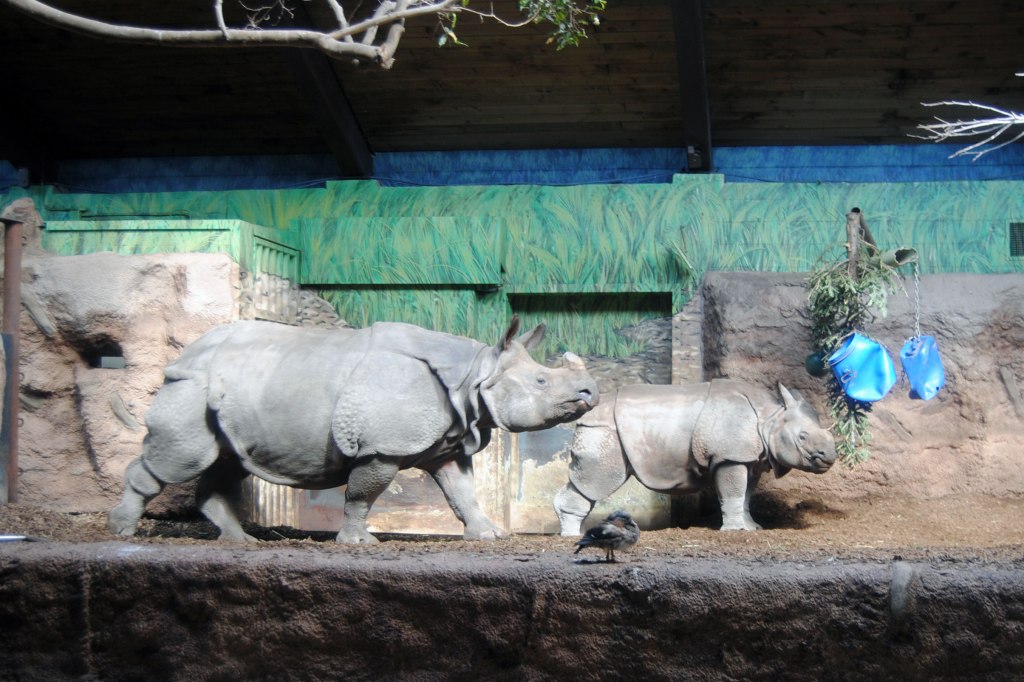
The big chonky bois. We came back to the rhinoceros enclosure right before we left and it was empty except for us, the rhinos, and a few birds. Very peaceful.
Conservation Initiatives at the Zoo
Back to that topic of ethics in zoos: Some people see zoos as places that are purely for human entertainment, tourist attractions that prioritize profits over animal welfare. And yes, zoos like that do exist, and I discourage people from patronizing them. However, many zoos around the world, including the Toronto Zoo, are a vital element of global conservation initiatives and in the preservation of threatened and endangered species. The Toronto Zoo is partnered with 19 different groups focused on ecology and conservation (many of which focus directly on Canadian issues, such as wetland preservation) and 20 organizations focused on habitat protection both in Canada and around the world.
Zoos use “flagship species” (large, easily identifiable, “charasmatic” species such as lions, elephants, gorillas, or polar bears) to attract visitors to the zoo on a touristic level. The draw of these animals pays the bills, and allows funding for all the Zoo’s initiatives for animals and environments that are less “showy” (like habitat preservation for frogs and turtles … not exactly a showstopper, but equally as valid an environmental cause as any). Keeping endangered animals in captivity and working with in-house breeding programs is another element of zoos that people may overlook, or see as cruel (with the idea that all animals should be free). This is a nice sentiment, but the reality is that these animals are not threatened in zoos, and are more likely to survive problems like poaching or habitat destruction that threaten their wild counterparts. This was one of the topics that I talked about with the zoo interpreter (friendly staff member!), and one that he was most passionate about. The Toronto Zoo participates in the preservation of animal genetics, as well as captive breeding programs and species reintroduction (working with 7 different species in an effort to boost their wild population). You can even sneak a peek into the nursery for the Blanding’s Turtle in the Americas Pavillion! I really love how open the zoo is with their efforts to protect the environment and the creatures that live in it.
Essentially, by visiting the Toronto Zoo or making a donation, you are helping support numerous organizations, both in-house through the zoo’s own initiatives, and through the funding of smaller, localized groups. Go see the lions, tigers, and bears, but take the time to look at the smaller species, the ones that don’t have the mass appeal to support ecological preservation. You can read more about all the wonderful things that the Toronto Zoo does here, and more about their animal care and research here. If the Toronto Zoo is too far for you to get to, check out some of the world’s other great zoos (like those on this list, on which the Toronto Zoo is ranked #11)!
 travelbloom